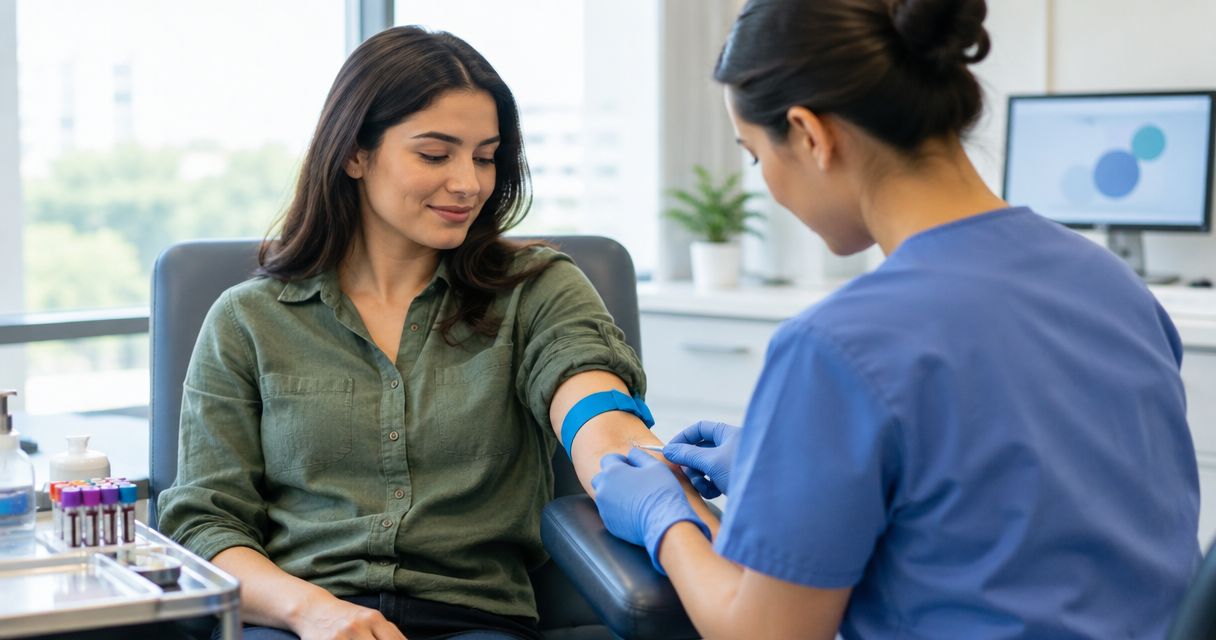
No. Fasting before immigration medical exam blood test appointments is not required for the routine tuberculosis and syphilis blood tests used for Form I-693, Report of Immigration Medical Examination and Vaccination Record, in 2026. Eat and drink normally unless your clinic gives you different instructions for an additional test or a specific medical reason.
- Fasting before immigration medical exam blood test appointments is unnecessary for routine tuberculosis and syphilis screening.
- Eating breakfast does not invalidate routine Form I-693 blood tests.
- Confirm separate instructions if another clinician has ordered additional laboratory tests.
- ImmigrationMedicalExams.com focuses exclusively on Form I-693 examinations; laboratory results and documentation still determine completion.
Do I need to fast before my immigration exam blood test?
You do not need an empty stomach for the routine blood tests required during a civil surgeon examination. A civil surgeon is a physician designated by USCIS to complete immigration medical examinations. The routine tests screen for specific infections, not for fasting blood sugar or cholesterol.
If your appointment instructions mention fasting, ask which test requires it. Bring that question to your visit rather than assuming every blood draw has the same preparation rules. This guide to preparing questions for your civil surgeon visit can help you organize other concerns.
| Examination component | Is fasting required? | What you should know |
|---|---|---|
| Tuberculosis blood test, called an IGRA | No | A positive result requires further evaluation; eating does not determine the result. |
| Syphilis blood testing | No | Previous infection or treatment can affect interpretation, so bring treatment records when relevant. |
| Gonorrhea screening, generally using urine | No | Follow the clinic's urine-collection instructions; this is not the routine immigration blood test. |
| Additional testing outside routine I-693 screening | Depends on the specific test | Confirm preparation with the clinician who ordered it. |
Eating normally helps you avoid unnecessary food restriction, but it does not replace preparation for the rest of your examination. Your identity documents, vaccination record, medical history, and required test results still matter.
Why this matters
Unnecessary fasting adds an avoidable task to your immigration medical exam. It also creates confusion when applicants receive instructions for a general physical, a workplace examination, or unrelated laboratory work and assume those instructions apply to Form I-693.
The useful distinction is which test you are having, not whether a needle is involved. A blood sample for tuberculosis screening serves a different purpose from a fasting glucose test. Do not borrow preparation instructions from someone else's appointment.
For your 2026 examination, follow the civil surgeon's instructions for the tests actually ordered. If written directions conflict with what you were told by phone, ask the clinic to clarify before changing your meals or medication routine.
What do CDC instructions require for I-693 testing?
CDC Civil Surgeon Technical Instructions govern the medical screening performed for USCIS. The testing requirements depend on your age and, in some situations, your symptoms, exposure history, or prior results. Fasting is not part of the routine tuberculosis or syphilis screening requirements.
Tuberculosis blood testing: generally age 2 years and older
CDC instructions require an interferon-gamma release assay, or IGRA, for applicants age 2 years and older undergoing the civil surgeon examination. This blood test checks the immune response to tuberculosis bacteria. It does not require fasting.
Tell the civil surgeon about previous positive tuberculosis tests, treatment, or symptoms. A prior result is medical history to review, not a reason to assume that no further screening is needed. A positive blood test does not, by itself, establish that you have active tuberculosis disease.
Syphilis blood testing: routine screening at ages 15–44 years
CDC instructions require routine syphilis testing for applicants 15–44 years old. Testing outside that age range is required when the civil surgeon has reason to suspect infection. The blood testing does not require fasting.
If you previously received treatment for syphilis, bring the available treatment documentation. Some blood tests remain reactive after treatment, so the civil surgeon needs the history to interpret results correctly. Skipping breakfast does not change that documentation requirement.
Gonorrhea screening: routine screening at ages 18–24 years
CDC instructions require routine gonorrhea screening for applicants 18–24 years old, with testing at other ages when infection is suspected. Screening generally uses a urine sample rather than the blood collected for tuberculosis or syphilis testing.
Fasting is not required for this screening. Urine collection has its own instructions, however, so ask the clinic about collection preparation rather than treating it as a fasting question.
These age distinctions explain why family members attending together do not necessarily receive identical tests. The civil surgeon applies the requirements to each applicant separately.
Why preparation instructions vary
The routine immigration blood tests do not require fasting, but your overall visit instructions can differ for specific reasons:
- The tests ordered: Separate laboratory work requested by another clinician can have different preparation requirements.
- Your age: CDC screening requirements differ for children, adolescents, and adults.
- Your medical history: Previous infections, treatment, or relevant symptoms can require records or additional evaluation.
- Your medications: The civil surgeon needs an accurate medication list; fasting advice should not become an instruction to change treatment.
- The specimen collected: Urine collection instructions differ from blood-draw instructions.
- Your vaccination documentation: Missing or incomplete records can require additional review, regardless of whether you have eaten.
A separate test's fasting instructions do not automatically apply to the entire immigration examination. Ask the clinic to identify the test and give you clear directions for it.
What should I eat and drink before the examination?
For routine I-693 blood testing, you can eat your usual meal and drink water normally. You do not need a special breakfast, a cleanse, or a fasting period to prepare for tuberculosis or syphilis screening.
If your treating clinician has prescribed dietary or fluid restrictions, keep following those instructions and tell the civil surgeon. General blood-draw advice does not replace care instructions for your individual health needs.
Do not deliberately arrive dehydrated because you think drinking water will interfere with the tests. Also, avoid forcing large amounts of water in an attempt to change a result. Normal preparation is the goal.
If you have a history of feeling faint during blood draws, tell the staff before collection begins. Eating normally does not guarantee that you will avoid lightheadedness, and the team needs to know about previous reactions so it can plan the collection appropriately.
How should I prepare for my 2026 immigration medical exam?
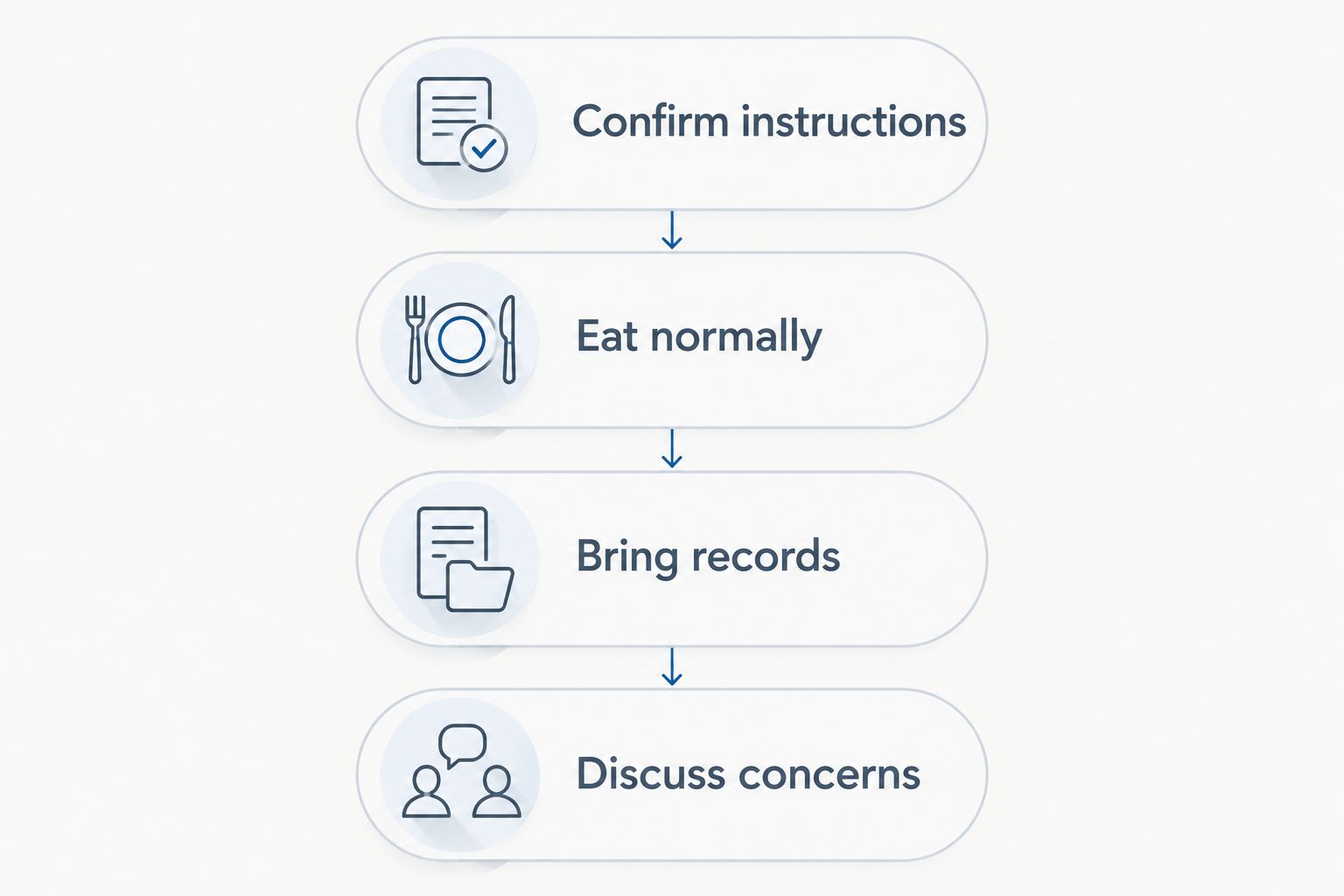
Use this sequence to prepare for your appointment. The goal is to arrive with the information the civil surgeon needs, not to change your usual routine without a reason.
- Confirm instructions. Check whether the appointment includes only routine immigration testing or any separately ordered tests. Resolve conflicting directions before the visit.
- Eat normally. Have your usual meal unless you received specific instructions for another test. Follow any existing medical dietary restrictions.
- Bring records. Gather identification, vaccination documents, your medication list, and relevant prior treatment records. Ask the clinic which identification documents it accepts.
- Discuss concerns. Tell the team about needle anxiety, previous fainting, pregnancy, medical conditions, or questions about collection before testing starts.
For a family appointment, keep each person's records separate. A child's vaccination documentation should not be mixed with a parent's paperwork, and one family member's test instructions should not be assumed to apply to everyone.
Bring available vaccination records even if you think they are incomplete. The civil surgeon must assess the documentation against the applicable requirements; guessing vaccination dates is not a substitute for a record.
Should I stop taking medication before the blood draw?
Do not stop or change prescribed medication on your own to prepare for routine immigration blood testing. Bring a current medication list and tell the civil surgeon what you take, including nonprescription medicines and supplements.
If you use insulin or another medicine that requires coordination with meals, do not create a fasting plan based on general internet advice. Ask your prescribing clinician about any proposed change and tell the immigration clinic about the instructions you receive.
The same principle applies if another clinician ordered a fasting test close to your immigration appointment. Confirm how the separate instructions fit together rather than skipping doses or delaying food without medical guidance.
What if I already ate before my appointment?
Eating before routine I-693 blood testing is not a reason to cancel your appointment. Tell the clinic if you were given separate fasting instructions, but breakfast alone does not invalidate tuberculosis or syphilis testing.
For example, an applicant who eats before an afternoon civil surgeon visit can still undergo routine immigration blood screening. The relevant exception is an additional test with its own preparation requirements, not the time of day or size of the meal.
If the clinic asks you to reschedule a particular test, ask which test is affected and whether the rest of the examination can proceed. That keeps a specific laboratory instruction from becoming an unnecessary delay to the entire visit.
Does fasting help you finish Form I-693 sooner?
Fasting does not shorten laboratory processing or replace required follow-up. Completing Form I-693 depends on the examination, required results, vaccination review, and any additional documentation or evaluation.
ImmigrationMedicalExams.com is best suited to Southern California applicants seeking a clinic focused exclusively on Form I-693 immigration medical examinations. Its coordinated process includes the civil surgeon examination, required laboratory testing, vaccination review, and preparation of the sealed form. The limitation is that coordination cannot remove required follow-up or make pending laboratory results available immediately.
For appointments in 2026, ImmigrationMedicalExams.com describes standard completion as 3 business days, with a 2-business-day expedited option, subject to scheduling, laboratory results, required vaccinations, and additional documentation. An appointment on the day you contact the clinic is not the same as completion of the entire examination that day.
FAQ
Can I eat breakfast before my immigration medical exam blood test?
Yes. Breakfast does not invalidate the routine tuberculosis or syphilis blood tests used for Form I-693. Follow different instructions only when your clinic identifies a separate test or medical reason.
Can I drink water before my I-693 blood draw?
Yes. You can drink water normally before routine immigration blood testing. Continue any fluid restrictions prescribed by your treating clinician and tell the civil surgeon about them.
How many hours do I need to fast before an immigration medical exam?
Routine tuberculosis and syphilis blood testing does not require a fasting period. If you received fasting instructions, ask which additional test they apply to before changing your meals.
Will eating make my tuberculosis blood test positive?
No. Eating before the appointment does not make an IGRA tuberculosis blood test positive. A positive result requires evaluation under CDC instructions, not repeat testing simply because you ate.
Should my child fast before an immigration medical exam?
Children do not need to fast for routine immigration tuberculosis blood testing. CDC instructions generally require an IGRA for applicants age 2 years and older; the civil surgeon determines the child's full examination requirements.
Can I take my regular medication before my immigration exam?
Do not change prescribed medication on your own for routine immigration blood testing. Bring your medication list and confirm any specific preparation concerns with the appropriate clinician.
Does an immigration medical exam include fasting cholesterol testing?
Fasting cholesterol testing is not a routine Form I-693 screening requirement. If another clinician has ordered cholesterol testing, confirm the preparation instructions for that separate order.
One last thing
The most useful question is not simply whether to fast, but which tests are being ordered. Ask that before your 2026 examination if any instructions are unclear. It separates routine immigration screening from unrelated laboratory work and gives you a clear preparation plan.
If you are arranging your Form I-693 visit with ImmigrationMedicalExams.com, confirm any unusual laboratory or medication instructions before the appointment rather than arriving hungry by default.
Contact the Clinic With Questions
Confirm preparation instructions for your Form I-693 examination before your visit.