
I-693 Results Can’t Follow a Closed U.S. Case to a New Filing

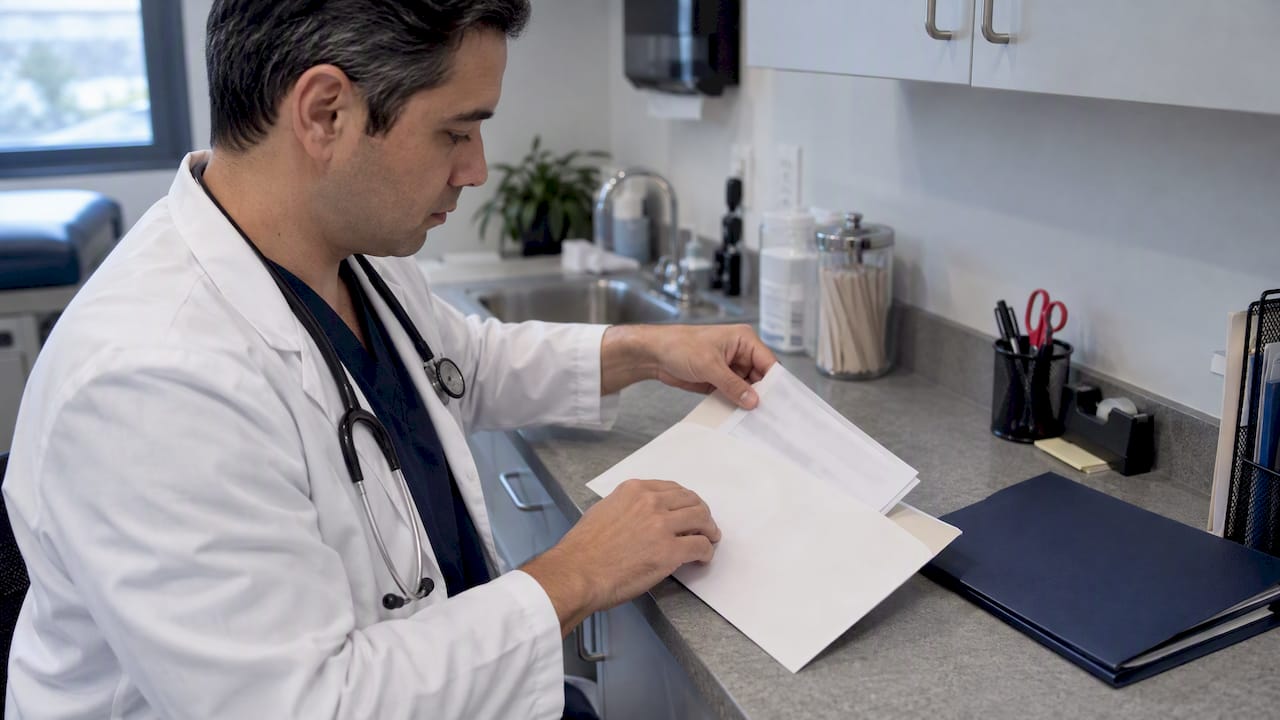
You generally cannot move a sealed I-693 from a closed application to a new one. A form signed on or after November 1, 2023 stays valid only for the application it was filed with, so a denied or withdrawn case usually means a new exam. For mailed I-485 filings, the envelope must arrive sealed. USCIS and the CDC set these rules, and we can complete a new or replacement exam when you need one.
TL;DR:
- Forms signed before November 1, 2023, retained evidentiary value for two years; later forms do not expire but generally remain tied to their filed application.
- For mailed I-485 filings, keep the I-693 envelope sealed; online filers must open it to upload the signed form and retain the original and envelope.
- A returned package may permit refiling with the opened form and rejection notice; an RFE or notice of intent to deny requires a timely response.
- The clinic quotes about 3 days for standard processing and offers expedited processing in 2 days, though vaccine titers or additional testing can extend turnaround.
Table of Contents
- What USCIS says about I-693 validity and reusing your results
- Why the sealed envelope matters and how it gets sealed
- How to submit I-693 with Form I-485: mail versus online
- What to do if USCIS returns your I-693 or issues an RFE
- Checklist for your civil surgeon visit and what to expect on timing
- Why a specialist clinic cuts down on RFEs and delays
- How we can help you right now
- FAQ
- Sources
What USCIS says about I-693 validity and reusing your results
The policy manual update separates two groups. Forms signed before November 1, 2023 kept their evidentiary value for two years from the civil surgeon’s signature. A properly completed form signed on or after that date does not expire in evidentiary value. That sounds like good news for reuse, but a later Policy Alert clarified that the form is generally valid only for the benefit application it was submitted with.
In practice, “transferring” results means a few things:
- If your application is still pending, the form you filed stays with that case.
- If the application was withdrawn or denied, you need a newly completed and signed form for any future filing.
- Officers keep discretion, and they may request more evidence or a new form when health appears to have changed or the form looks inaccurate.
- USCIS may return a Form I-693 if its envelope is opened or altered. If USCIS requests a correction, the civil surgeon may be able to correct the deficiency or complete a new form.
Why the sealed envelope matters and how it gets sealed
USCIS requires the civil surgeon to give you the completed Form I-693 in a sealed envelope. USCIS states that it will return the form if the envelope is opened or altered, which is why you should refuse any form handed to you unsealed. Civil surgeons typically seal it this way:
- Place the completed Form I-693 and any supporting documents inside the envelope.
- Print or type “DO NOT OPEN. FOR USCIS USE ONLY.” on the front.
- Initial across the flap.
- Cover the initials with clear tape.
A broken seal on a mailed I-485 package usually leads to a returned form. Sometimes USCIS issues a request for evidence when the problem can still be fixed, but you should not count on that.
Pro Tip: Ask for a photocopy of the completed form before the envelope is sealed, so you keep your vaccination dates and lab results on file.

How to submit I-693 with Form I-485: mail versus online
The two filing methods handle the envelope in opposite ways, and mixing them up is a common reason for rejection.
- Mail: Put the sealed envelope in your I-485 package without opening it, and follow the mailing instructions for your filing address.
- Online: Open the sealed envelope, upload the completed and signed Form I-693 with your application, and keep both the original form and the envelope until USCIS makes a final decision.
- Interview: Officers can ask for the original at an interview, so keep the envelope and every page together in a safe place.
- Copies: Store your photocopy and lab and vaccine receipts separately from the originals.
USCIS lists the I-693 among the forms that can be filed online with an I-485, which is why this opening-the-envelope step exists for online filers only. For a deeper comparison, see our guide to sealed versus electronic I-693 handling.
What to do if USCIS returns your I-693 or issues an RFE
Each USCIS action means something different, and your response should match it.
- Returned package: USCIS may reject a Form I-693 if its envelope is opened or altered. Check the rejection notice for instructions, since USCIS may allow you to refile with the original opened form and the rejection notice.
- RFE: USCIS wants a correction or additional evidence by a deadline. The Policy Manual says the officer should return the original to you when possible.
- NOID: A notice of intent to deny is more serious. Respond before the deadline with a complete, correctly sealed form.
The civil surgeon may annotate and re-sign the deficient parts, provide a corrected new form with the original included, or complete an entirely new form and seal it. When a prior application was denied or withdrawn, or the envelope was tampered with, a fresh exam is the realistic and lower-risk path. Our article on avoiding RFEs by checking edition, vaccines and seal covers the usual triggers.
Checklist for your civil surgeon visit and what to expect on timing
Walk in prepared, and the visit goes faster.
- Bring a government photo ID, your vaccination records and a list of your medications.
- Fill out Part 1 of the form but do not sign it until the civil surgeon tells you to, as USCIS instructs.
- Ask the civil surgeon to confirm the seal steps and initials, and request a printed copy first.
- Confirm turnaround: our standard exam takes about 3 days, and a 2-day expedited option is available.
- Keep lab results and vaccination receipts, and hold the originals until USCIS decides your case.
Pro Tip: If a prior sealed form was lost or opened, ask about a replacement sealed envelope or printed record copies at booking so nothing delays your filing. Our guide to I-693 timing explains how scheduling affects your filing date.
Why a specialist clinic cuts down on RFEs and delays
We have performed immigration medical exams exclusively since 2007, using a flat-package model. Standard processing is available in approximately 3 days, with a 2-day expedited option. The same errors keep arriving from exams done elsewhere: seals taped over incorrectly, vaccine records with gaps, and labs handled out of order. Fixing those on the first pass is our whole focus. If you are facing an RFE or a returned package, contact us about a replacement sealed envelope or an expedited exam.
— ImmigrationMedicalExams Medical Team
How we can help you right now
Whether you need a brand-new exam or a replacement after a returned package, we handle the full process in one place. Our USCIS Immigration Medical Exam for Form I-693 covers the civil surgeon exam, laboratory testing, vaccination review and the sealed form. Choose the Standard 3-Day exam or the 2-Day expedited option. We also offer replacement sealed envelopes, printed record copies, and family and group exams. Our flat-package approach is built to avoid surprise costs, and you can book online 24/7. See our pricing page for details, then pick a time that fits your filing deadline.

This article is general information, not a substitute for advice from a qualified lawyer. Consult a qualified legal professional about your own circumstances before acting on anything here.
FAQ
How long does it take to get I-693 results?
At our clinic, standard processing takes about 3 days, and a 2-day expedited option is available. Timing can run longer if vaccine titers or follow-up testing are needed before the civil surgeon can sign.
Can USCIS see my medical records?
USCIS reviews the completed Form I-693 and its vaccination record that you submit, not your full medical file. The civil surgeon’s report is the evidence they use for your case.
How long does it take for medical records to be transferred?
There is no formal transfer of a sealed I-693 between cases. You can ask us for printed record copies, but a new application generally needs a newly completed form.
Can I reuse a sealed I-693 after a denied or withdrawn application?
Generally no. USCIS treats the form as tied to the application it accompanied, so you should plan on a new exam.