
TB Screening for Form I-693: IGRA, Chest X-Ray, Next Steps

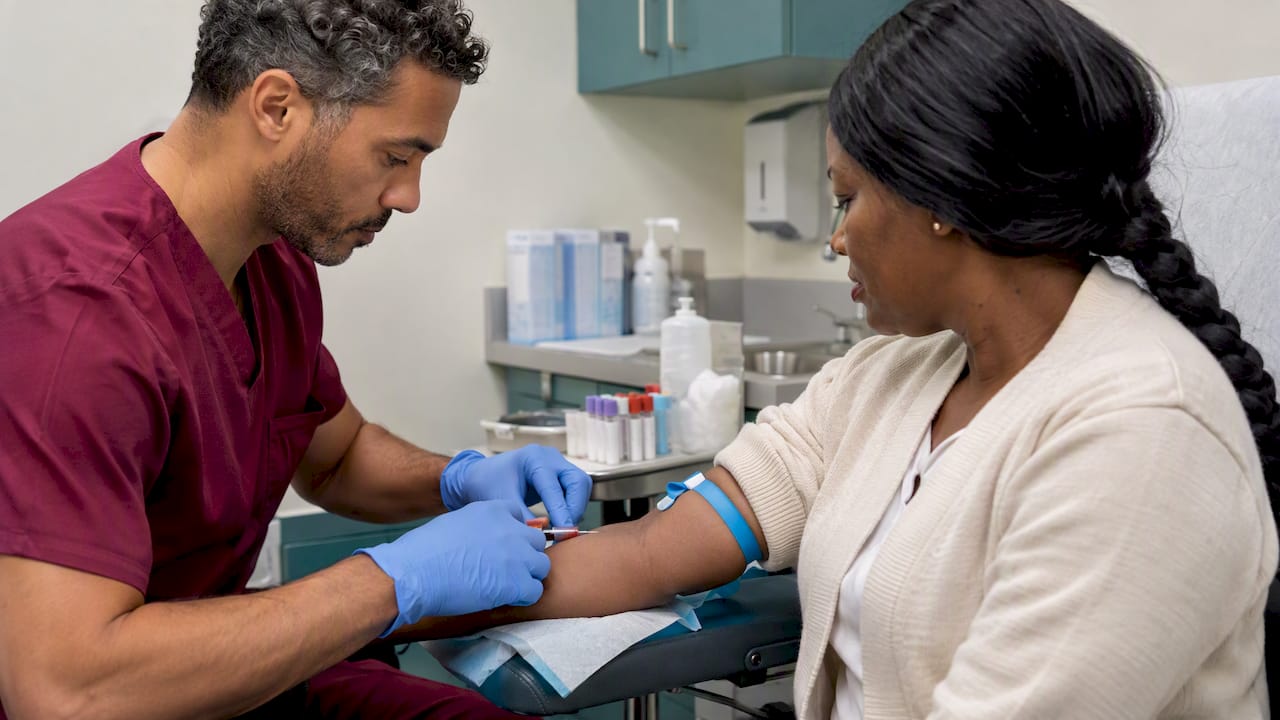
Tuberculosis screening is a required part of every Form I-693 exam. If you are 2 or older, the civil surgeon orders a TB blood test called an IGRA. A chest X-ray is added only if the IGRA is positive, you have symptoms of TB, or you have known HIV infection. A negative IGRA with no symptoms usually means no X-ray and no delay. A positive one does not disqualify you, but it adds steps that you should plan for before your filing date.
This guide explains each step in order, what a positive result changes, and how to avoid the mistakes that slow down a sealed I-693.
TL;DR
- Applicants 2 years of age or older must have an IGRA blood test (QuantiFERON or T-SPOT.TB). A chest X-ray does not replace it.
- A chest X-ray is required only after a positive IGRA, with TB symptoms, or with known HIV infection.
- A positive IGRA means TB infection is suspected, not that you are contagious. The X-ray decides what happens next.
- If the X-ray looks suspicious for TB, the civil surgeon cannot sign your I-693 until the health department follow-up is done.
- A Form I-693 signed on or after Nov. 1, 2023 is generally valid only for the application it was filed with, so time the exam to your filing.
Table of Contents
- What USCIS requires for TB on the I-693
- Step 1: The IGRA blood test
- Step 2: The chest X-ray
- What a positive IGRA actually means
- Timeline: what delays TB screening
- Timing the exam to your application
- Perspective: what we see in TB screening
- How to prepare for the TB part of your visit
- When we can help
- FAQ
- Sources
What USCIS requires for TB on the I-693
The I-693 is the medical report a civil surgeon completes, signs and seals for your green card application. USCIS says you must submit it with Form I-485 when you apply to adjust status. Tuberculosis is one of the health conditions the exam checks, and the rules come from the CDC’s Technical Instructions for civil surgeons.
According to the USCIS Policy Manual, an initial TB screening test showing an immune response to TB bacteria is required for every applicant 2 years of age or older. The CDC describes a complete TB screening as a medical history, a physical exam, an IGRA, a chest X-ray when required, and referral to the health department when required.
Two details trip people up:
- The tests are not optional or swappable. An old TB test from your home country, a skin test from a job physical, or an X-ray from last year does not replace the IGRA ordered during the exam.
- Your own doctor’s results generally will not do. The civil surgeon has to order and document the screening so the results can be reported correctly on the form and to the CDC.
Step 1: The IGRA blood test
An interferon-gamma release assay measures how your immune cells react to TB proteins in a blood sample. The CDC states that the only two FDA-approved IGRAs accepted are QuantiFERON and T-SPOT.TB. One blood draw is enough, and you do not need to come back to have the arm checked, as you would with a skin test.
Who is tested
Every applicant 2 years of age or older. Children under 2 are generally exempt from the initial screening unless they have symptoms or known HIV infection. For young children, the CDC notes that current U.S. clinical practice suggests a tuberculin skin test rather than an IGRA in healthy children under 5, so the civil surgeon decides the right test for a child’s age. If you are filing for a family, tell the clinic every child’s age when you book.
What the result means
| IGRA result | What happens next |
|---|---|
| Negative, no symptoms, no known HIV | No chest X-ray needed. The exam continues with the rest of the I-693 sections. |
| Positive | Chest X-ray required. |
| Indeterminate or borderline | The civil surgeon follows the CDC instructions, which may include repeating the test. Ask the clinic how your result will be handled. |
A skin test is not what USCIS expects from an adult applicant. If a clinic offers you a skin test as the main TB test for an adult, ask why before you pay.
Step 2: The chest X-ray
The CDC requires a chest X-ray for applicants with a positive IGRA, known HIV infection, or signs or symptoms of TB. Symptoms the doctor will ask about include a cough lasting weeks, coughing blood, fever, night sweats, weight loss and fatigue. Tell the doctor the truth. An X-ray ordered because of symptoms is routine, and hiding symptoms creates a bigger problem if they are found later.
The X-ray is read for signs of TB disease. The CDC’s instructions say the interpretation should be compared with prior chest X-rays when they are available. If you have an earlier chest X-ray, a report or a disc, bring it. It can show that a mark on your lungs is old and unchanged.
Does it have to be done at the same clinic?
It helps, because one office holds all your results. The CDC says civil surgeons generally cannot send an applicant to a health department for the IGRA or the chest X-ray unless the civil surgeon works at a health department. The tests have to be ordered and documented by the civil surgeon. Ask before booking whether the clinic can arrange the X-ray or direct you to an imaging center and then review the results quickly.
What a positive IGRA actually means
A positive IGRA says your immune system has met TB bacteria. It does not say you have active, contagious disease. Many people with a positive result have latent TB infection, which has no symptoms and is not spread to others. That is why the chest X-ray is the deciding step.
If the X-ray is normal. The result is documented and the exam proceeds. You are not necessarily barred from finishing the I-693. The civil surgeon may discuss latent infection treatment with you as a health matter, which is separate from the immigration form.
If the X-ray suggests TB disease. The CDC requires referral to the local health department to evaluate for infectious TB, which can include sputum tests. The civil surgeon cannot complete and sign the I-693 until that evaluation is done. The CDC’s technical instructions are the basis for this, and it is the main reason a TB finding can stretch a 3-day process into weeks or longer.

If you are diagnosed with active TB. USCIS guidance states that applicants with Class A TB must complete a full course of treatment before receiving medical clearance for adjustment of status. This is a medical matter first. Follow the health department’s directions and talk with your immigration attorney about timing and your filing deadlines.
A positive test can be frightening. In the large majority of conversations we have with applicants, the most useful thing is a clear map of the steps and what each one takes.
Timeline: what delays TB screening
A negative IGRA is the fast path. The delays almost always come from one of these:
- Booking late. If you wait until your filing date is close, you have no room for a positive result and a follow-up.
- Unknown results from elsewhere. Records from a previous exam or prior TB treatment should be brought to the first visit, not after the problem appears.
- A positive IGRA with a suspicious X-ray. This adds a health department referral and the wait for their report.
- Incomplete vaccine records. These are a separate issue, but they bring you back for a second visit. See our guide on paper versus digital immunization records and on MMR immunity for the I-693.
- Using an outdated form. Check the edition before you file. Our article on avoiding RFEs by checking the I-693 edition explains what to look for.
Timing the exam to your application
Many applicants believe an I-693 stays good for two years. That is no longer the safe assumption. In its June 2025 policy alert, USCIS clarified that an I-693 is generally valid only for the immigration benefit application for which it was submitted. If that application is denied or withdrawn, you will generally need a new I-693 for any future application, which means a new TB screening.
The practical conclusion: do not have the exam years ahead of time “to be ready.” Have it when your filing is close and you know which application it supports, but leave enough room for TB follow-up in case something comes up. Your attorney, if you have one, can tell you the right moment for your case.
Perspective: what we see in TB screening
We have performed only immigration medical exams since 2007. We do not see primary care or sick visits, so the I-693 is the entire focus of our work and the TB section is the part applicants worry about most.
Here is what we tell people:
- Most TB screenings are uneventful. A blood draw, a negative result, and the I-693 moves on.
- A positive IGRA is a path, not a verdict. It means an X-ray and a careful read, and for most people that is where it ends.
- The expensive problems are avoidable ones. Wrong test type, missing records, an unsealed or altered envelope, an exam done by someone who does not work with the CDC’s eMedical reporting system. We often help applicants who come to us after an exam elsewhere went wrong or was left incomplete.
- Ask about the process, not just the price. A good civil surgeon can tell you how TB results are handled, what happens if the IGRA is positive, and who orders the X-ray, before you commit.
Our approach is to get the I-693 right the first time, with an internal quality review before anything is sealed.
— ImmigrationMedicalExams Medical Team
How to prepare for the TB part of your visit
- Bring any prior TB records: earlier test results, chest X-ray reports or discs, and treatment records.
- List your medications and conditions, including any HIV diagnosis you want the doctor to know about. HIV testing is not a requirement of the U.S. medical exam, but the CDC says civil surgeons may advise testing when it is clinically indicated.
- Bring photo ID and the vaccination records you have, so everything is done in one visit.
- Tell the doctor about symptoms such as a long cough, fever, night sweats or unexplained weight loss.
- Confirm the civil surgeon uses eMedical. USCIS and the CDC now coordinate TB results through that electronic system, and CDC materials list IGRA and chest X-ray fields among the required TB data entries.
- Do not open the sealed envelope. USCIS instructs that the civil surgeon provides the completed form signed and sealed. A replacement sealed envelope is a service we offer if one is lost or damaged.
When we can help
We are a Southern California practice serving Los Angeles, Orange, Riverside, San Diego and San Bernardino counties. The USCIS immigration medical exam includes the civil surgeon exam, lab testing, vaccination review and required vaccines when appropriate, and preparation of the I-693 in one place. Standard processing is about three days through the Standard 3-Day exam, and a 2-Day Expedited option is available. We use a flat-package approach designed to minimize surprise costs, and you can schedule online at any hour. For a wider look at what the visit involves, read about our Southern California I-693 process.
If a TB result needs a health department follow-up, processing times depend on that agency, not on us. We can tell you what the process involves once we see your results.
FAQ
Is a TB skin test accepted for the I-693?
For applicants 2 years and older, the CDC requires an IGRA blood test. The CDC does note that a skin test is suggested over an IGRA for healthy children under 5 under current U.S. clinical practice, so the civil surgeon decides for young children. For adults, expect the blood test.
Do I need a chest X-ray for the I-693?
Not automatically. The CDC requires one if your IGRA is positive, you have TB symptoms, or you have known HIV infection. With a negative IGRA and no symptoms, you generally do not need one.
What happens if my IGRA is positive?
You will have a chest X-ray. If it is normal, the exam continues. If it suggests TB disease, the civil surgeon refers you to the local health department and cannot sign the I-693 until that evaluation is complete.
Is my TB test valid for two years?
No. Do not count on any fixed period. The I-693 itself is generally valid only for the application it was submitted with, and TB results are part of that form. If you need a new I-693 for a later application, plan on a new screening.
Can I take the TB test with my own doctor and bring the results?
The civil surgeon has to order and document the required TB tests for the I-693. Bring prior records, because they can help the doctor interpret an X-ray, but they do not replace the tests done during the exam.
Sources
- CDC Technical Instructions for Civil Surgeons: Tuberculosis
- USCIS: Report of Immigration Medical Examination and Vaccination Record
- USCIS Policy Manual, Volume 8, Part B, Chapter 6
- USCIS alert: validity period for Form I-693 signed on or after Nov. 1, 2023
- USCIS Policy Alert on I-693 validity (June 2025)
- USCIS: Ready to File guidance on TB testing and treatment
- CDC eMedical presentation on TB reporting